


Enterprise and operations systems
Administrative systems, internal tools, back office, sales management, logistics, approval flows, automation, auditing, and control.
We develop custom software for companies that need systems, platforms, and integrations adapted to their real processes. From definition and UX to architecture, development, QA, implementation, and evolution.
Companies that have built with Kubo:




















Standard software works when the process is standard too. When your company has its own rules, multiple roles, integrations, approval flows, or needs that a generic tool cannot solve, custom software lets you adapt technology to the business instead of adapting the business to the tool.
At Kubo, we understand the process, design the experience and architecture, build the solution, test it, and support its implementation. The result is a system that can integrate with your current operations and evolve as users, rules, and goals change.
Tell us what process you need to solveNot every problem requires custom development. Custom software makes more sense when a standard tool forces you to change critical processes or leaves gaps that affect operations.
Your operation has rules, approvals, permissions, or exceptions that generic software cannot represent well.
You need to connect ERP, CRM, payments, invoicing, logistics, data, APIs, or internal platforms.
The system must coordinate teams, customers, suppliers, or third parties with different permissions and flows.
The product must grow in features, volume, users, or markets without being limited by a standard tool. If you already have a system and need to transform it, explore our software modernization services.
Administrative systems, internal tools, back office, sales management, logistics, approval flows, automation, auditing, and control.
Customer or supplier portals, marketplaces, SaaS products, transactional platforms, and web applications with roles, analytics, and architecture prepared to scale.
Mobile and web applications connected to ERP, CRM, payments, invoicing, data, cloud services, APIs, and artificial intelligence when it adds value.
Internal tools, validations, documents, notifications, dashboards, and integrations that reduce manual work and operational errors.
| Criterion | Standard software | Custom software |
|---|---|---|
| Processes | The company adapts its operation to predefined features. | The solution is designed around real processes and rules. |
| Integrations | Limited to available connectors. | Specific integrations are designed with existing systems. |
| Evolution | Depends on the vendor's roadmap. | The roadmap can prioritize the business's own needs. |
| Initial investment | Generally lower and based on licenses. | Higher initial investment when scope is relevant, with control over the solution built. |
If an existing tool already solves the problem well, we do not recommend building from scratch. The first step is to understand the need and decide which option makes more sense.
Examples of projects where software was built around specific processes, users, or business models.
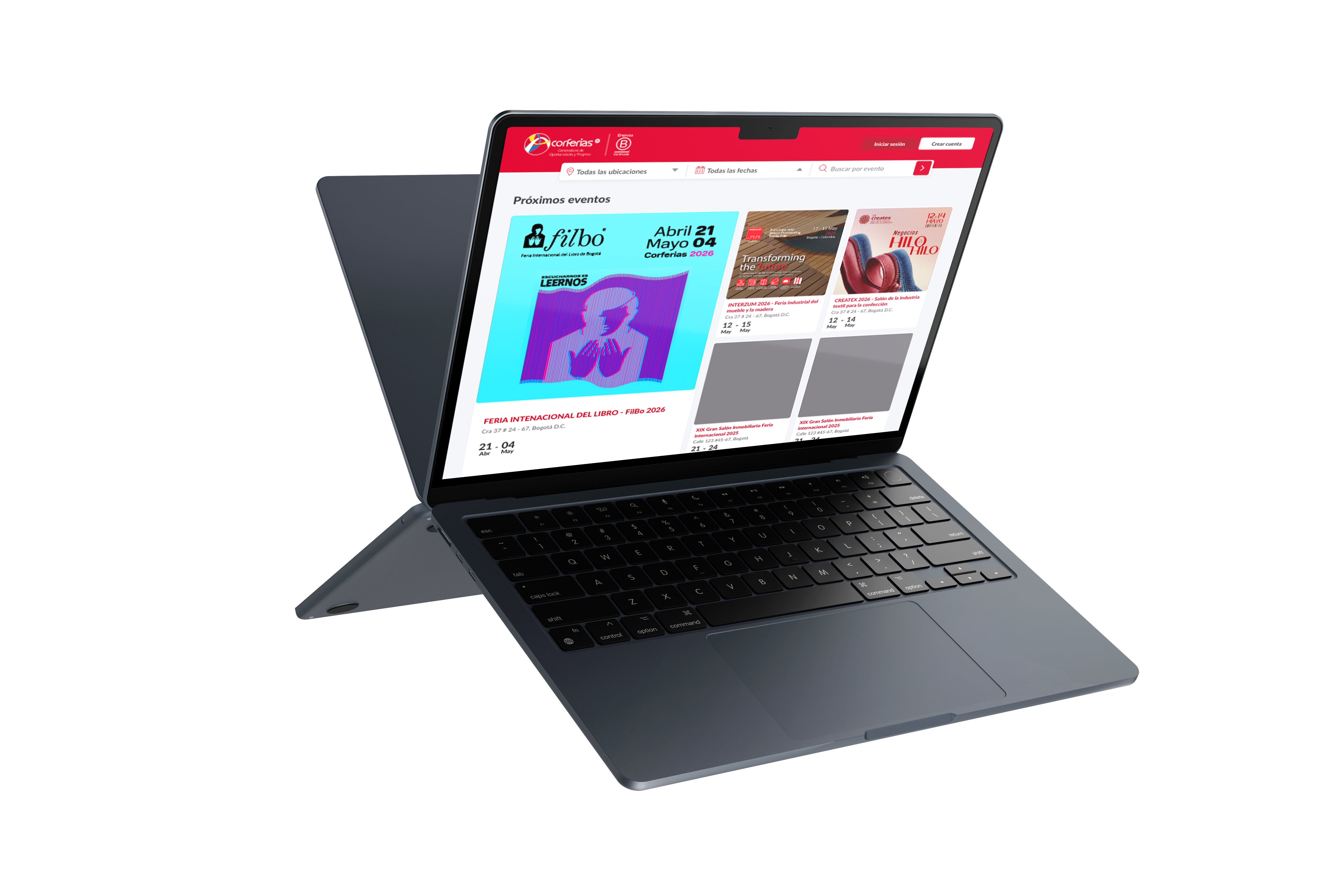
Comprehensive system for projects, sales, workflows, and ticketing.
View case
Digitization of the commercial process in 4 countries across the region.
View case

If you are looking for a long-term partner, learn more about Kubo as a software development company in Colombia.
We map processes, users, business rules, integrations, risks, and priorities to define what the first version must solve.
We design flows, interfaces, and technical decisions before scaling development. The goal is to reduce uncertainty and build on a maintainable foundation.
We build frontend, backend, mobile, and integrations through controlled releases. We test functionality, performance, security, and quality.
We deploy the solution, support its adoption, and leave a path for support, metrics, and new features.
Cost depends on scope, business rules, integrations, migrations, users, data volume, and operational requirements. As a reference of order of magnitude for enterprise projects:
| Complexity | Estimated investment | Estimated time |
|---|---|---|
| Low | COP 40–70 million | Around 2 months |
| Medium | COP 80–160 million | Around 4 months |
| High | From COP 180 million | 6 months or more |
These values are indicative references published by Kubo and do not constitute a commercial rate or a quote. The final cost depends on the actual scope of the project.
See how a custom software project is estimatedIt means designing and building a solution around a company's specific processes, users, rules, and integrations, instead of being limited to the features of a standard tool.
It depends on complexity. As a reference, a simple project can take around two months, a medium-complexity project about four months, and a complex platform six months or more.
The most impactful factors are usually complex business rules, integrations, migrations, multiple interfaces, high data volume, concurrency, and special operational requirements.
Yes. A custom project can connect to ERP, CRM, payments, invoicing, identity services, logistics, data, and other platforms through APIs or integration processes.
Yes. Support and evolution are defined according to criticality, users, rate of change, and the product's operational needs.
Describe the process, platform, or need you want to solve. We will review the context and help you define scope, priorities, and the next step.
Custom softwareMobile appsWeb AppsDigital platformsModernizationIntegrations & AISupport & evolutionProcess automation


© Kubo - We build the digital world of tomorrow